 Bakery Woman
No thermometer needed
Her apple muffins came out every Saturday, and she never needed a thermometer to know when the butter was ready. She watched, pressed, listened and adjusted. I do the same now, even with a recipe I've made many times.
For home bakers tired of guessing
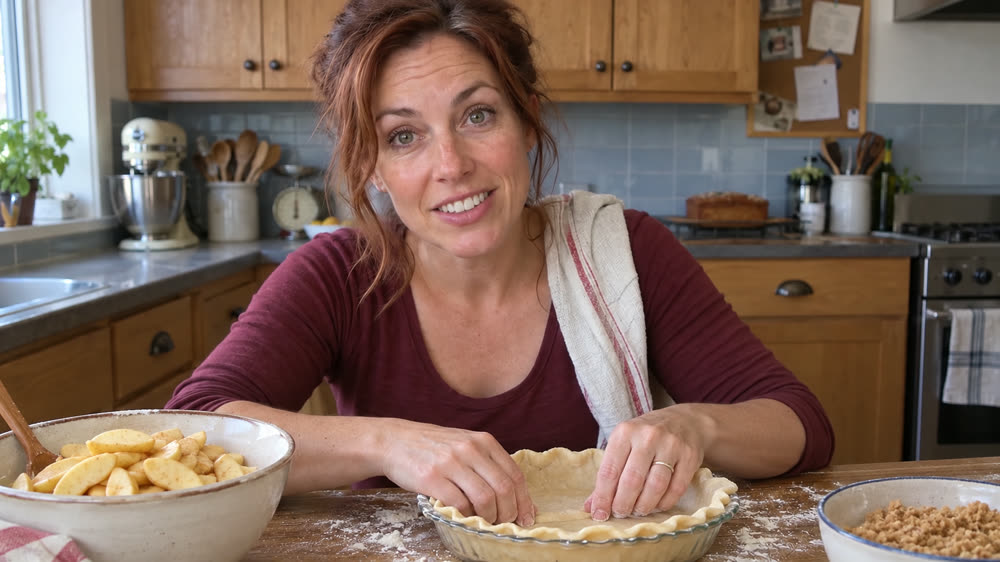
I'm Kate. A sunken cake, dry cookies, a soggy pie bottom: each one tells you what went wrong. Watch this first:
It isn't bad luck
Most of us do the same thing when a bake goes wrong. We blame the recipe, find a new one, and hope. Then the new one fails the same way, because nothing about the real cause changed:
The finished bake is the last page of the story. Read it backward and it tells you what happened:
This handbook teaches you to read those signs, then change one thing at a time until the bake comes out right.
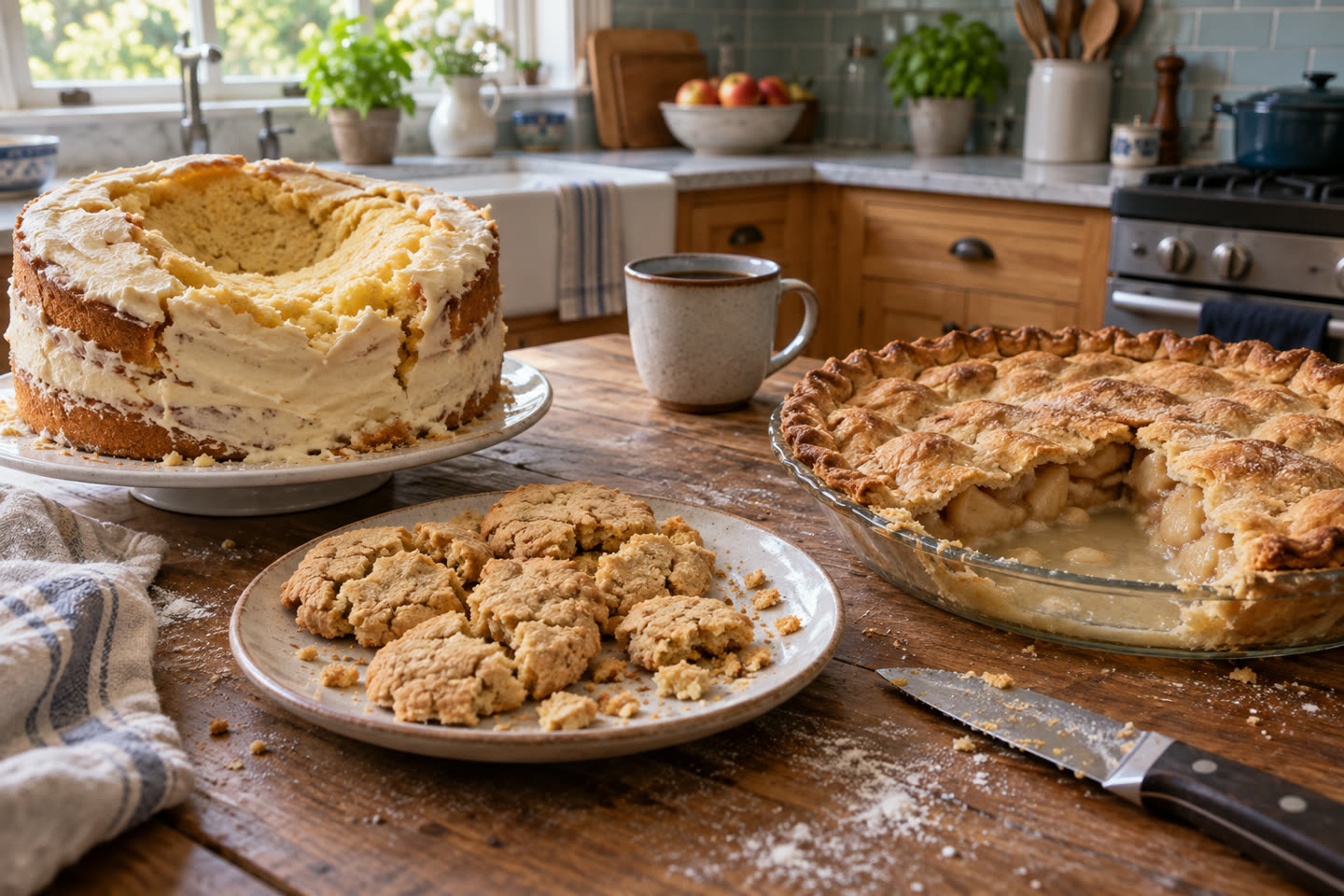
Three bakes, three different causes. None of them needs a new recipe.
Read it, then fix it
You don't need a new recipe or fancier equipment. You need to know which one thing to change.
| What you see | What usually happens | What Kate checks instead |
|---|---|---|
| Cake sinks in the middle | Throw out the recipe and try another | Cut through the center: a damp band means it needed more time, a fuller pan or a closed oven door |
| Dry, crumbly cookies | Add more butter next time | Flour scooped too heavily, a long bake or a hot oven. Start with the most likely one |
| Cookies spread flat | Blame the recipe or the brand of flour | Butter that was too warm, too little flour, or sugar doing exactly what sugar does |
| Soggy pie bottom | Give up on homemade pie | Wet filling, an underheated oven or a rack set too high. Set the base before the juice reaches it |
| Flat, tough muffins | Stir the batter until it looks smooth | Stop while it's still lumpy. Smooth batter is the warning, not the goal |
| Pale crust | Leave it in until the edges burn | Low heat, a light-colored pan, too much steam, or simply more time needed |
From the book's own troubleshooting methods.
What you'll bake
Every recipe comes with what to watch for and what to change when it doesn't look right.
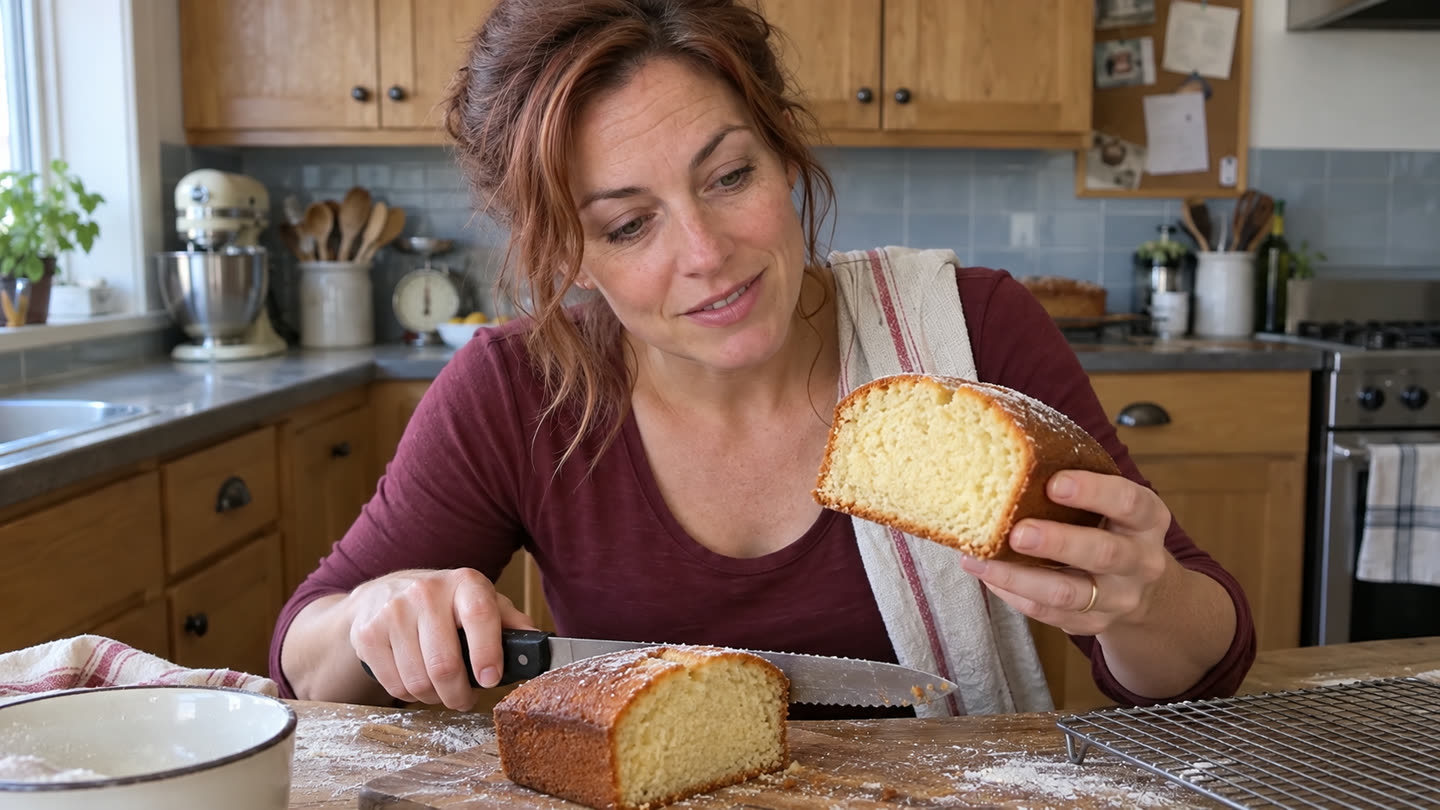
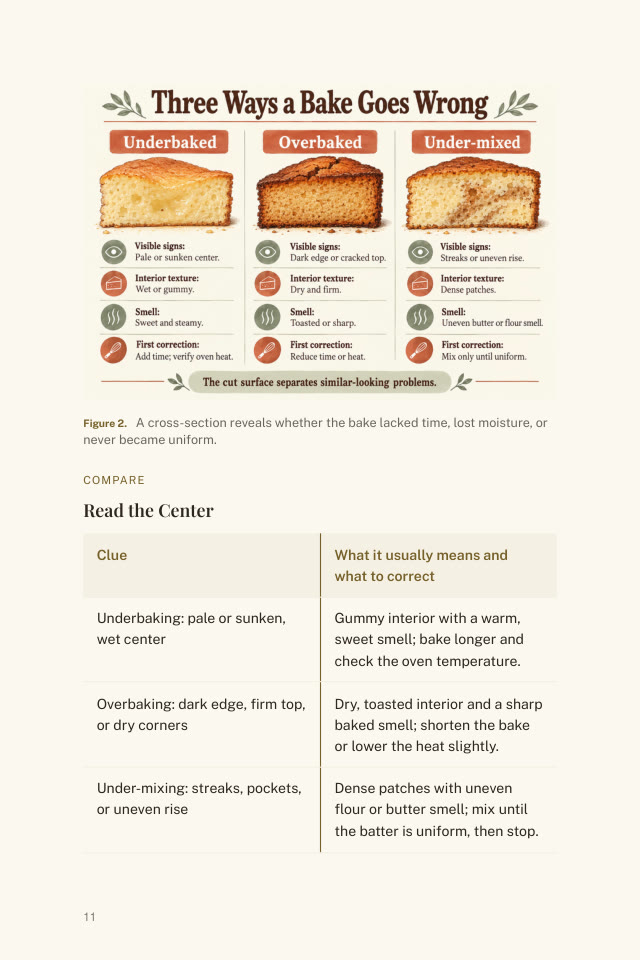
Put the pan on the counter before you reach for a knife. Look at the top and the edges. Then cut one piece through the center, never from the corner, because the corner gets more heat.
A single cross-section usually tells you whether the trouble began with heat, moisture, structure or time. Then you change one thing, not everything.
Get the handbook — $18.99What's inside · 12 chapters · 195 pages
Written plainly, with illustrated guides, checklists and step-by-step methods.
Read a cake, cookie or pie backward from the finished result to the stage that went wrong.
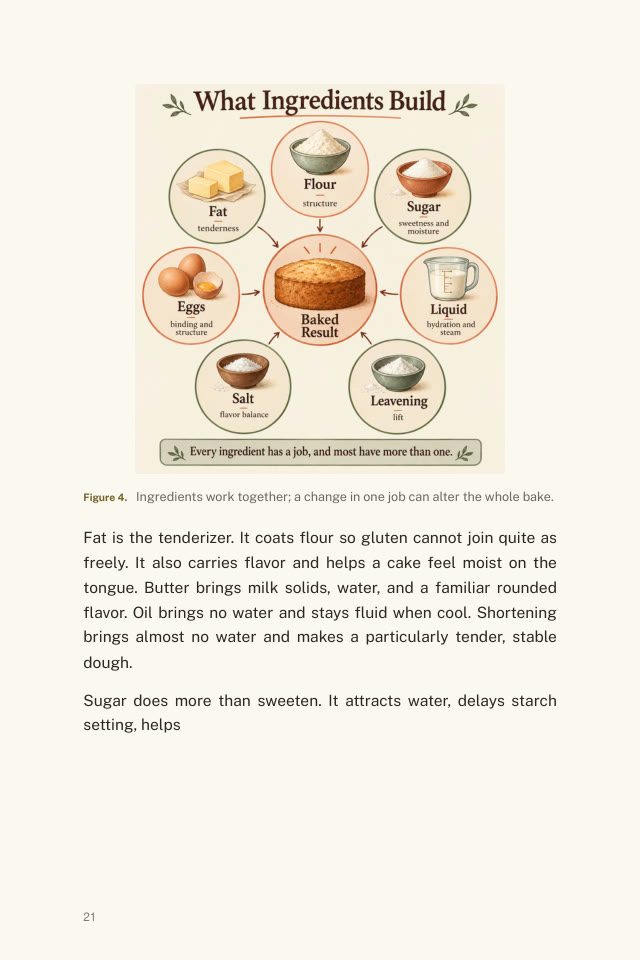
Flour holds, fat softens, sugar pulls in moisture, eggs bind. Change one and the rest feel it.
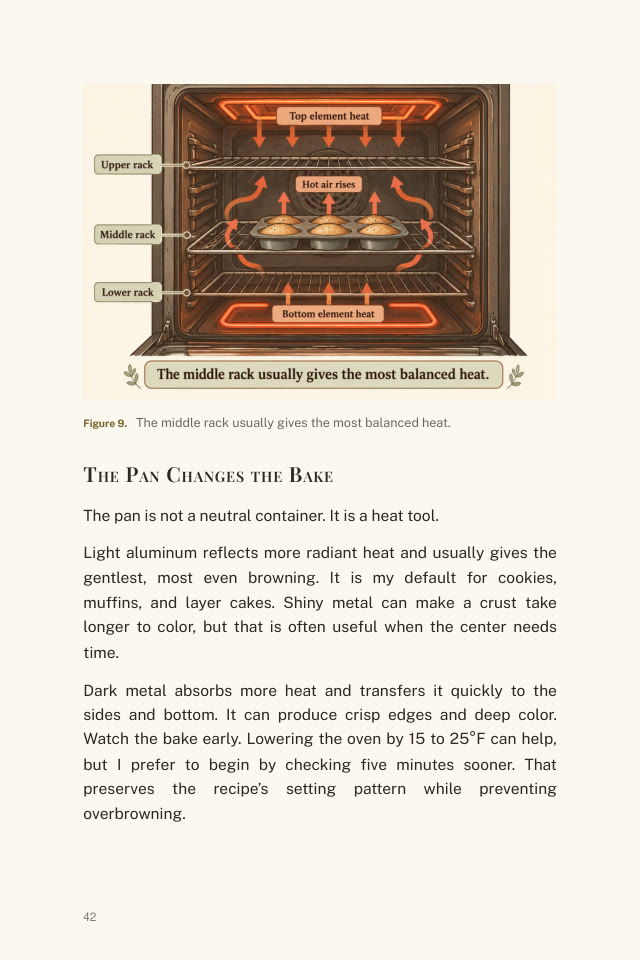
Why 350°F is only a starting instruction: real oven heat, rack position and what your pan is made of.
Scooped flour, cold eggs, two-year-old baking powder: the quiet mistakes made before the oven.
Butter state, sugar, flour and bake time: get the crisp edge and soft middle on purpose.
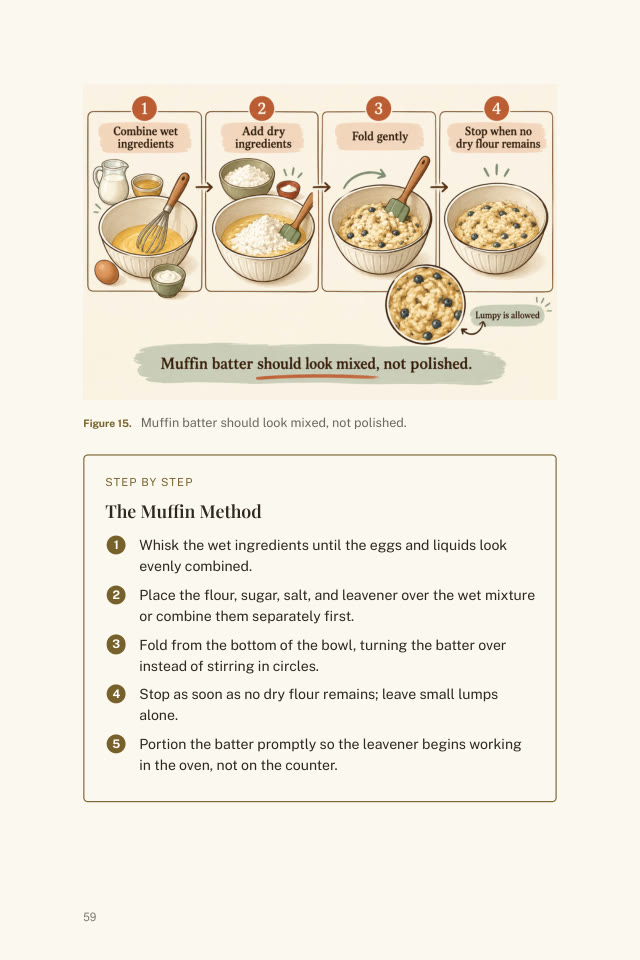
Lumpy batter, fruit that doesn't sink, and tops that rise high without drying out.
The narrow timing window that decides whether a cake stays up or sinks into a crater.
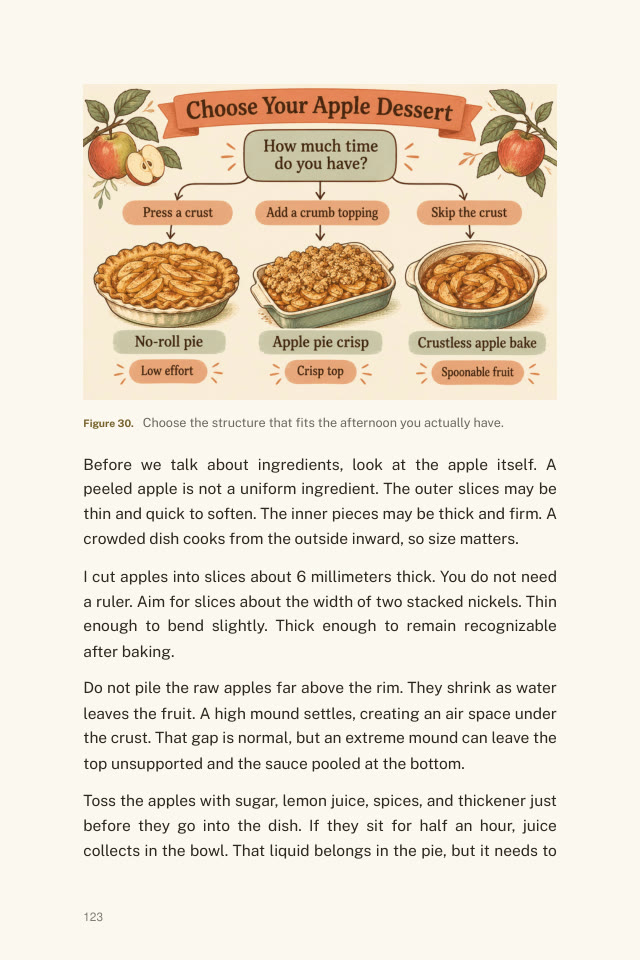
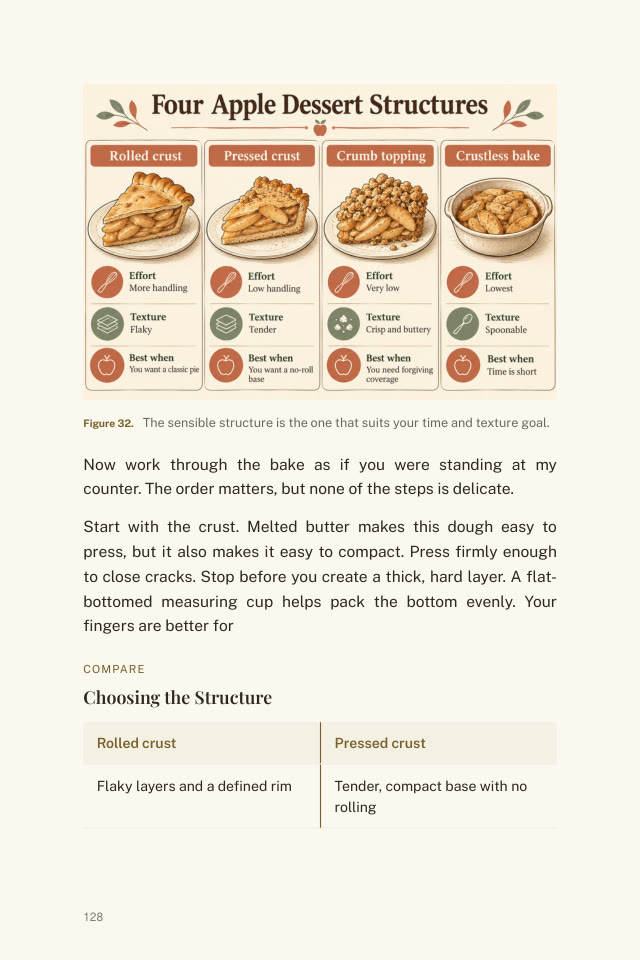
My grandmother's pressed crust and crumb top. No rolling pin, no soupy filling, no raw center.
Yeast, proofing and donuts. Learn to read the dough, not the clock.
No-bake cookies, bars and treats that hold together with chilling, chocolate or a cooked syrup.
A dry cake may need syrup, not the bin. How to rescue a bake, and when to start over.
A few dependable habits and recipes you repeat until you know them by heart.
Who it's for
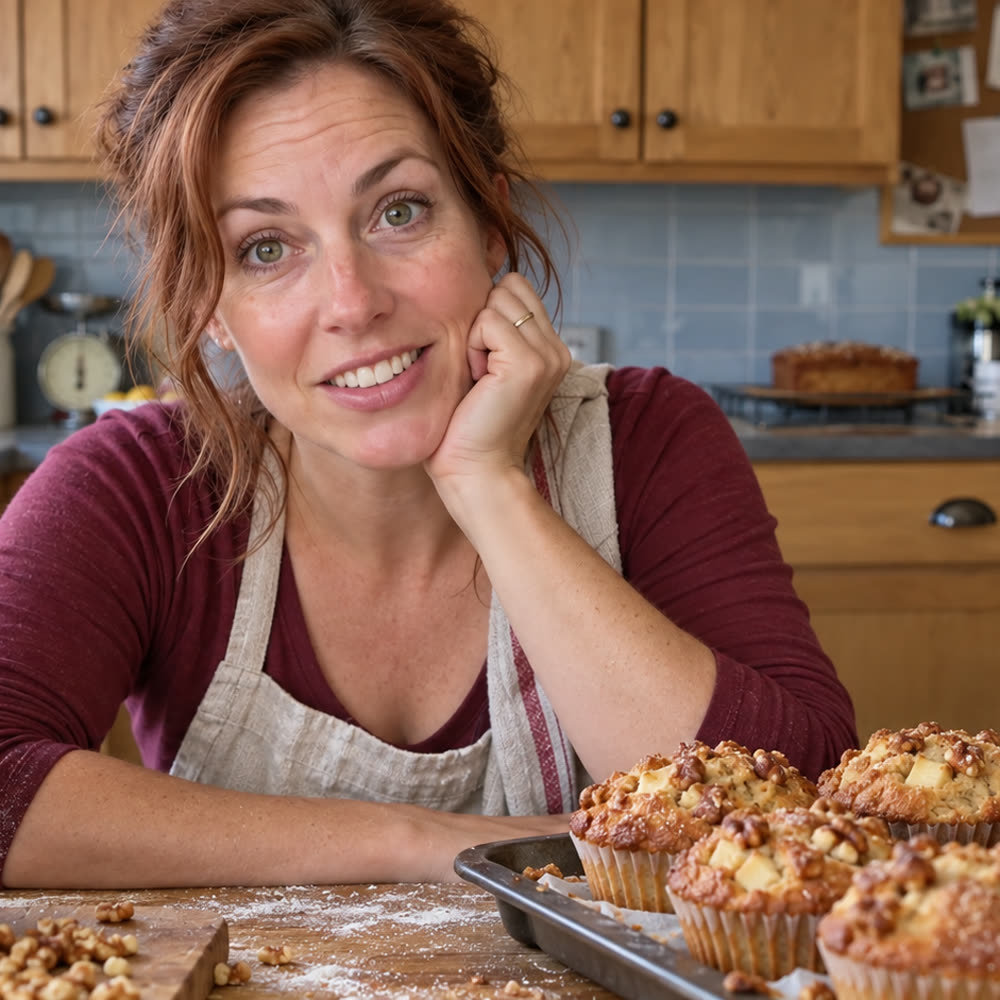
The goal is not a perfect bake every time, but a baker who knows what to do next.
From Kate's kitchen
A few of the small stories in the book:
Her apple muffins came out every Saturday, and she never needed a thermometer to know when the butter was ready. She watched, pressed, listened and adjusted. I do the same now, even with a recipe I've made many times.
She made apple pie every fall without a rolling pin. She pressed the dough into the dish with her fingertips, tucked the apples inside and finished the top with crumbs. It looked homespun because it was. It also worked.
She never bought packaged cookies. Her cookie tin was always on the counter, even when it held only crumbs and a folded piece of wax paper. Homemade cookies are better, but only when the dough is understood.
The fastest way to ruin a baking day is to decide too early that everything is ruined. A dry cake may need syrup, not the bin. A cracked pie may need a spoon. Dark-edged cookies can still make a fine topping.
Look inside
Guides you can prop up beside the mixing bowl.
About the author
I learned at my grandmother's counter, where every bake had a job to do. Then I spent twenty-two years baking for a full house, and ruined more cakes than I'd like to count.
Somewhere along the way I stopped merely following recipes and started fixing them. I learned the small physical signs that matter: butter ready under a thumb, a muffin batter that has to stay lumpy, and the difference between a recipe that needs patience and one that needs rescuing.
I make no-bake cookies with my children in summer, and I bring brown-butter apple-walnut muffins when I want people to ask for the recipe. This book is everything I check when a bake goes wrong.
Get the handbook today
Stop guessing and start reading your bakes. $18.99, once.
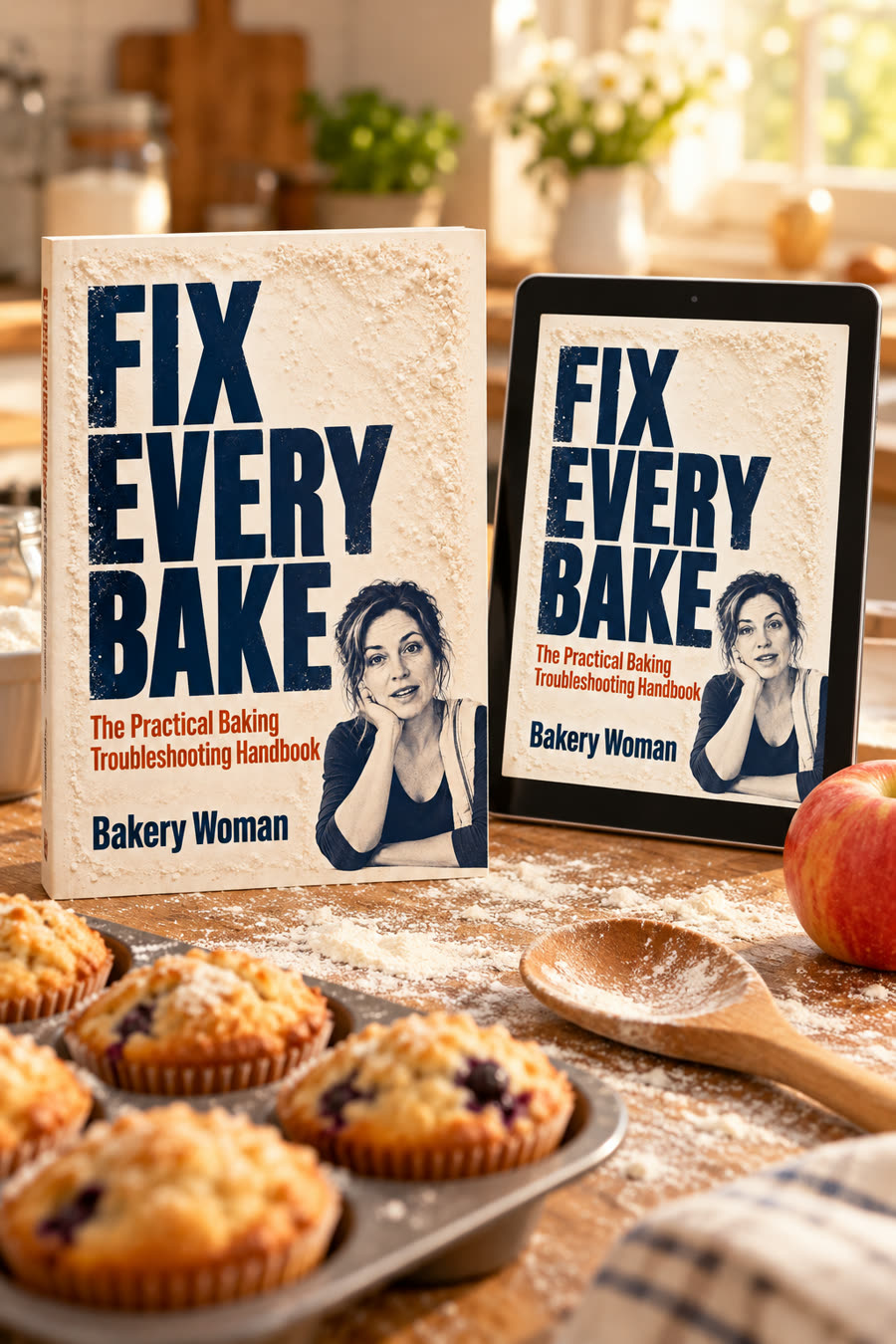
The Practical Baking Troubleshooting Handbook
Email us within 30 days of purchase and you'll get a full refund. No forms and no hard questions.
Questions
No. It's a digital PDF (195 pages), so there's nothing to ship and you can start reading within a minute of paying. You can print the pages you use most.
Right after payment you're taken to the download page, and we also email you a link at the address you used at checkout. If the email doesn't arrive, check your spam folder, or write to contact@sweet-recipe.shop.
Both, but mostly troubleshooting. It explains why bakes fail and what to change, using real recipes (cookies, muffins, cakes, apple pie, yeast dough and no-bake treats) as the worked examples.
No. It's written plainly for home bakers, with "In plain words" boxes, checklists and illustrated guides. If you can follow a recipe, you can follow this.
No. A mixing bowl, measuring cups, an ordinary home oven and the pans you already have. The book shows you how your own oven and pans change the bake.
No. You pay $18.99 once. There are no recurring charges.
The price is $18.99 USD. Buyers in the EU, UK and a few other countries are charged VAT at their local rate on top, and it is shown in the checkout before you pay. US buyers pay $18.99.
Email contact@sweet-recipe.shop within 30 days of purchase and you'll get a full refund. See the refund policy.
Yes. Payments are processed by Whop, a PCI-compliant payment platform. We never see or store your card details.